Delving into the realm of Best Home Equity Loans for Responsible Borrowers, this introductory segment aims to captivate readers with a blend of informative insights and engaging details, ensuring an enriching exploration of the subject matter.
The subsequent paragraph will delve into the specifics of the topic, providing a clear and concise overview.
Types of Home Equity Loans
When looking for financing options using the equity in your home, it's important to understand the differences between a home equity loan and a home equity line of credit (HELOC).
Home Equity Loan vs. Home Equity Line of Credit (HELOC)
- A home equity loan provides a lump sum of money upfront, with fixed monthly payments over a set term, typically at a fixed interest rate.
- A HELOC, on the other hand, acts more like a credit card, allowing you to borrow against your equity as needed, with a variable interest rate and the ability to draw funds over a specified period.
Benefits and Drawbacks of Fixed-Rate Home Equity Loans vs. Variable-Rate HELOCs
- Fixed-Rate Home Equity Loans:
- Benefits:
- Stable monthly payments make budgeting easier.
- Interest rates remain constant throughout the loan term.
- Drawbacks:
- May have higher initial interest rates compared to HELOCs.
- Less flexibility in accessing additional funds once the loan is closed.
- Variable-Rate HELOCs:
- Benefits:
- Flexibility to borrow only what you need, when you need it.
- Interest rates may be lower initially compared to fixed-rate loans.
- Drawbacks:
- Monthly payments can fluctuate based on interest rate changes.
- Interest rates may increase over time, leading to higher overall costs.
Determining the Best Type of Home Equity Loan for Your Needs
- Consider your financial goals and needs, such as one-time expenses versus ongoing projects.
- Assess your risk tolerance and comfort level with fluctuating interest rates.
- Consult with a financial advisor to evaluate the pros and cons of each loan type in relation to your individual circumstances.
Qualifications for Responsible Borrowers
To qualify for the best home equity loans, responsible borrowers need to meet specific requirements that demonstrate their creditworthiness and ability to repay the loan. Here are some key qualifications that responsible borrowers should consider:
Credit Score Improvement Tips
Improving your credit score is essential to secure favorable loan terms. Here are some tips to boost your credit score:
- Pay your bills on time to show a history of responsible payment behavior.
- Reduce your credit card balances to lower your credit utilization ratio.
- Avoid opening new credit accounts to prevent inquiries that can negatively impact your score.
- Regularly check your credit report for errors and dispute any inaccuracies.
Importance of Stable Income and Low Debt-to-Income Ratio
Having a stable income and a low debt-to-income ratio are crucial factors for loan approval. Lenders want to ensure that borrowers have the financial capacity to make regular payments
- A stable income demonstrates that you have a reliable source of funds to repay the loan.
- A low debt-to-income ratio indicates that you have sufficient income to cover your existing debts and the new loan.
- Lenders may offer better terms to borrowers with a stable income and low debt-to-income ratio due to lower risk of default.
Factors to Consider When Choosing a Lender
When selecting a lender for a home equity loan, there are several key factors to consider to ensure you make an informed decision that aligns with your financial goals and needs.
Compare Interest Rates, Fees, and Repayment Terms
It is crucial to compare the interest rates, fees, and repayment terms offered by different lenders to find the most competitive and favorable option for your home equity loan. Lower interest rates can save you money over the life of the loan, while favorable repayment terms can make managing your payments more manageable.
Significance of Reputation and Customer Service
The reputation and customer service of a lender are also important factors to consider when choosing a home equity loan provider. A reputable lender with a track record of providing excellent customer service can offer you peace of mind and a positive borrowing experience.
Researching customer reviews and testimonials can give you valuable insights into the lender's reputation.
Examples of Reputable Lenders
- ABC Bank - Known for offering competitive rates and excellent customer service to responsible borrowers.
- XYZ Credit Union - Trusted lender with a strong reputation for transparency and fairness in lending practices.
- 123 Mortgage Company - Well-known for providing flexible repayment options and personalized loan solutions.
Responsible Borrowing Practices
When it comes to borrowing money through a home equity loan, responsible practices are essential to ensure financial stability and avoid potential risks. Here are some strategies for responsible borrowing:
Borrowing Only What is Needed
- Assess your financial needs carefully and borrow only the amount necessary to cover those expenses.
- Avoid the temptation to borrow more than needed, as it can lead to unnecessary debt and financial strain.
Understanding the Risks of Defaulting
- Defaulting on a home equity loan can result in foreclosure on your property, leading to the loss of your home.
- Responsible borrowers should be aware of these risks and ensure timely repayment to avoid such consequences.
Tips for Effective Financial Management
- Create a budget to track your income and expenses, ensuring you have enough funds to repay your home equity loan.
- Set up automatic payments or reminders to avoid missing any payment deadlines and incurring late fees.
- Consider consulting a financial advisor for personalized guidance on managing your finances effectively.
Closure
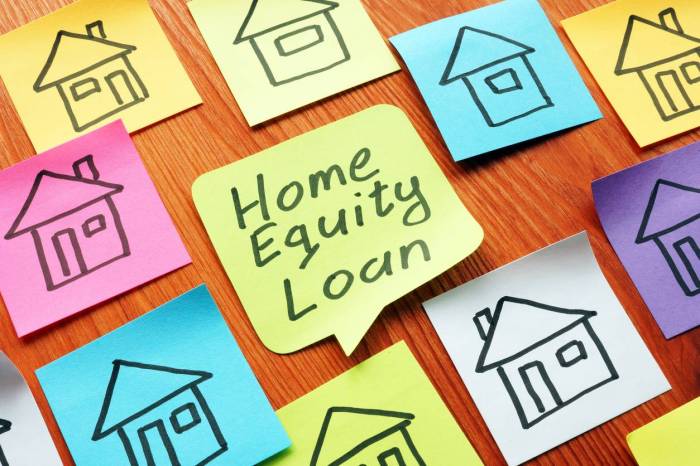
Concluding our discussion on Best Home Equity Loans for Responsible Borrowers, this final section offers a compelling summary of key points discussed, leaving readers with a lasting impression of the importance of responsible borrowing practices.
FAQ Summary
What are the main differences between a home equity loan and a HELOC?
The main difference lies in how funds are disbursed and repaid. A home equity loan provides a lump sum, while a HELOC allows for a revolving line of credit.
How can borrowers determine the best type of home equity loan for their needs?
Borrowers should assess factors like their financial goals, repayment capabilities, and interest rate preferences to select the most suitable option.
What qualifications should responsible borrowers meet to secure the best home equity loans?
Responsible borrowers should aim for a strong credit score, stable income, and a low debt-to-income ratio to qualify for favorable loan terms.
How can borrowers mitigate risks associated with defaulting on a home equity loan?
By managing finances effectively, borrowing within means, and ensuring timely repayments, responsible borrowers can reduce the risk of defaulting on their home equity loan.